Unlocking Sustainable Weight Loss: What You Need to Know About GLP-1 Medications
Nov 17, 2026
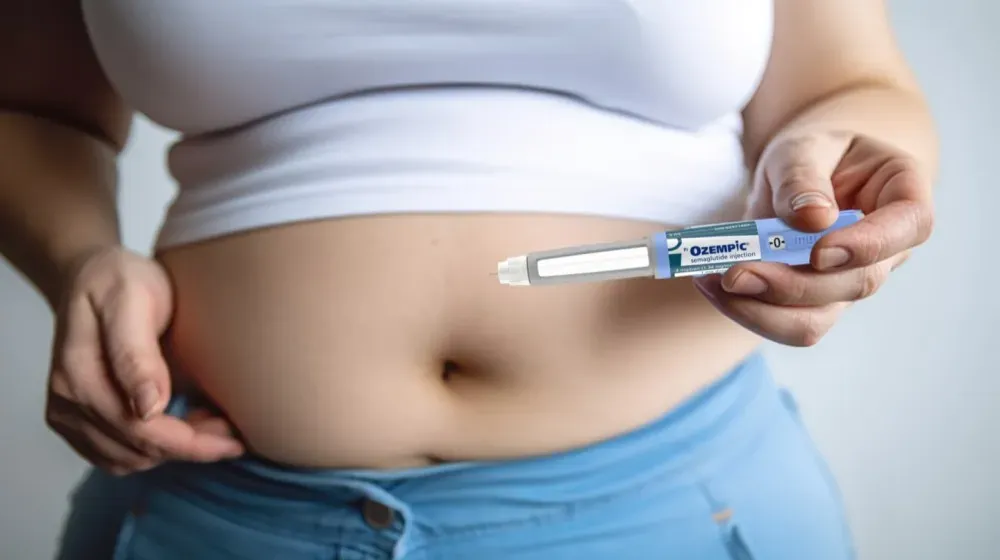
Losing weight and keeping it off can feel like an uphill battle. At Condrell Primary Care, we understand that managing your weight is about your overall health, not just the number on the scale. Under the guidance of William Condrell, MD, our experienced team helps patients in Washington, DC, and Bethesda, Maryland, find real, lasting solutions.
If you’re exploring weight loss treatment, you’ve likely heard about GLP-1 medications. These treatments are changing how we approach weight management. Let's look at what the latest medical research says about how they work and what to expect.
These medications mimic natural hormones in your body to help you feel full sooner and slow down your digestion. However, they aren’t magic.
In a 2021 study, adults taking semaglutide also cut calories and exercised 150 minutes per week to see lasting results. The medication acts as a powerful tool to support these healthy habits. At Condrell Primary Care, we build personalized plans that combine GLP-1 medication with practical lifestyle guidance.
Many people wonder if they can stop taking these medications once they reach their weight goal. However, obesity is a chronic condition that requires long-term care.
The American Diabetes Association notes that stopping these medications typically leads to regaining half to two-thirds of the lost weight within a year. Because of this, managing your weight often requires ongoing treatment. Our team works with you to monitor your progress and adjust your plan for the long run.
Yes, GLP-1 therapies provide medical benefits that go far beyond aesthetic changes: They can significantly improve your cardiovascular health.
A 2024 study of 2,539 adults found that 72 weeks of tirzepatide lowered systolic blood pressure by 6.8 mm Hg, compared to a placebo. If you struggle with hypertension, our internal medicine team can help manage your blood pressure and weight together.
Like any medication, GLP-1s can cause side effects, most commonly mild stomach issues like nausea or constipation. These symptoms usually fade as your body adjusts.
In that 2021 study, only 4.5% of adults taking semaglutide stopped treatment due to stomach issues, compared to 0.8% on a placebo. We start you on a low dose and increase it slowly to help your body adapt comfortably.
Achieving sustainable weight loss is a journey that requires the right medical support. If you’re ready to explore your options, contact your nearest Condrell Primary Care office in Washington, DC, or Bethesda, Maryland, and schedule a visit with our team today.